Welcome to the official website of Hongwangda Supply Chain Co., Ltd.

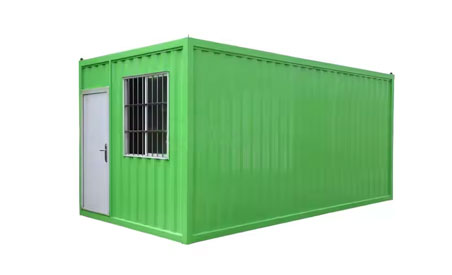


Product Details
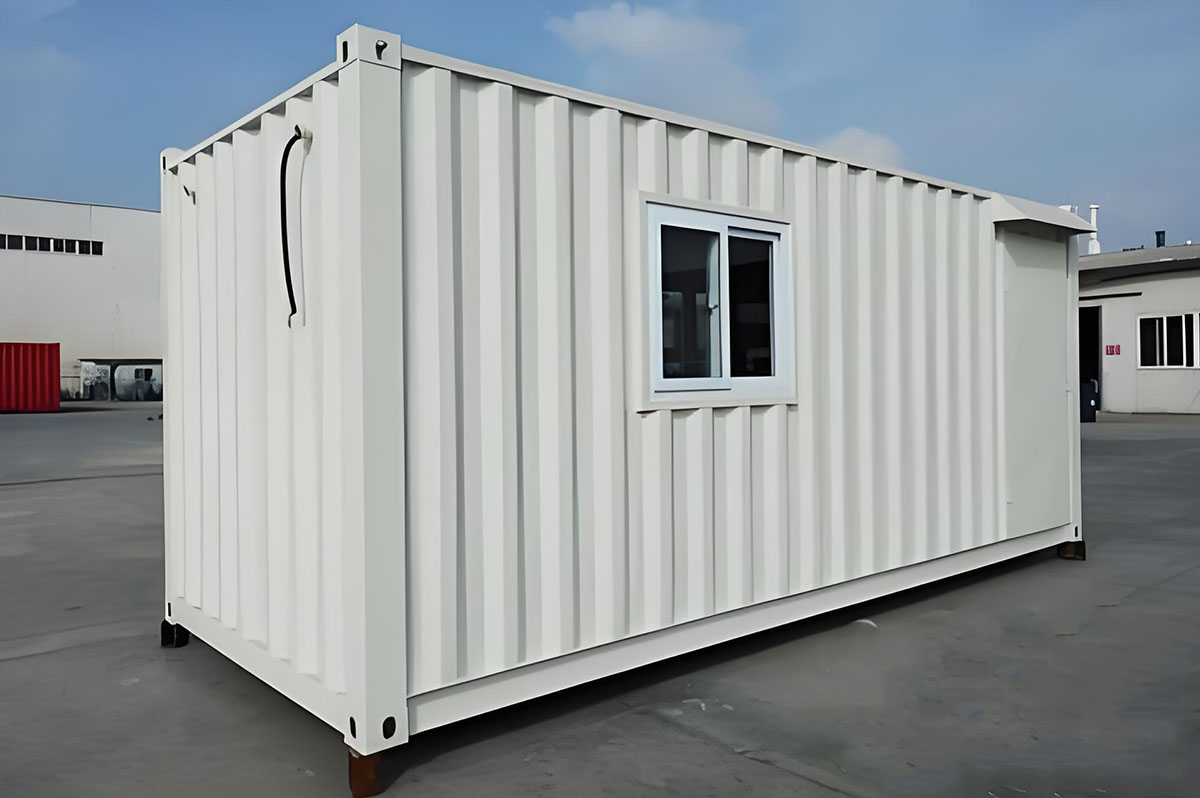
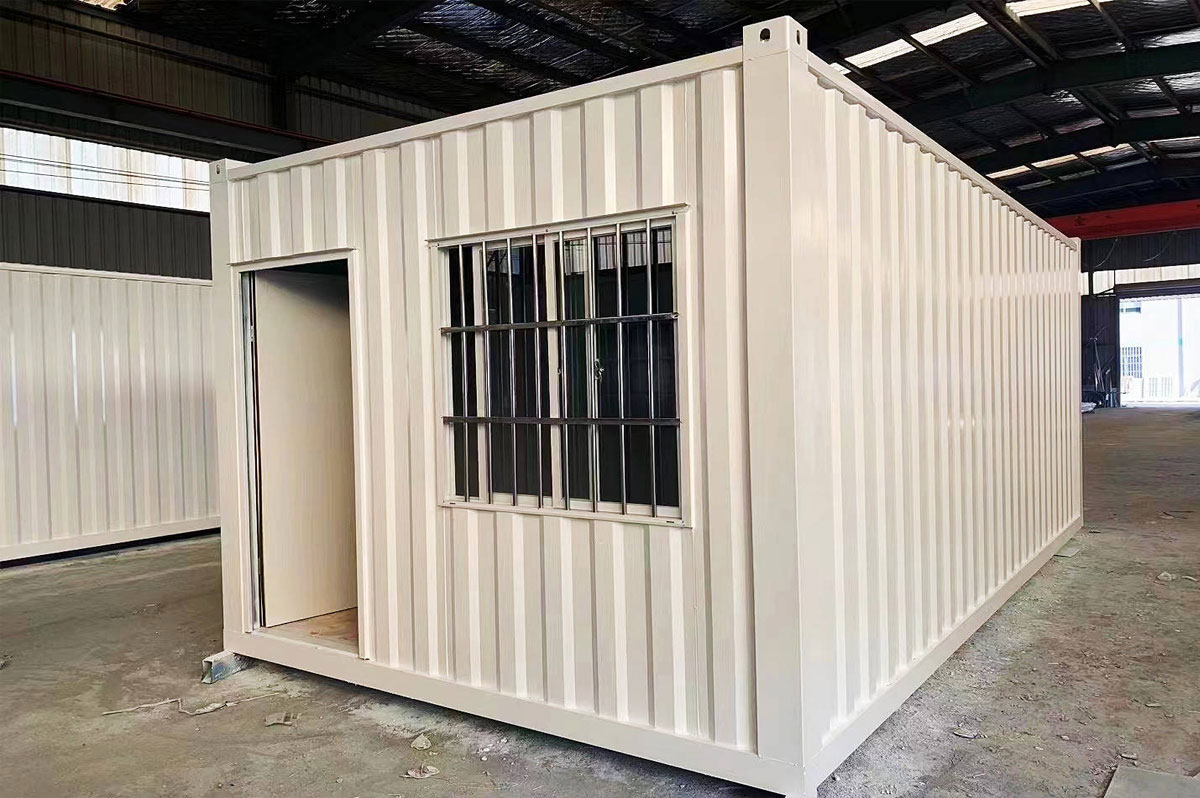
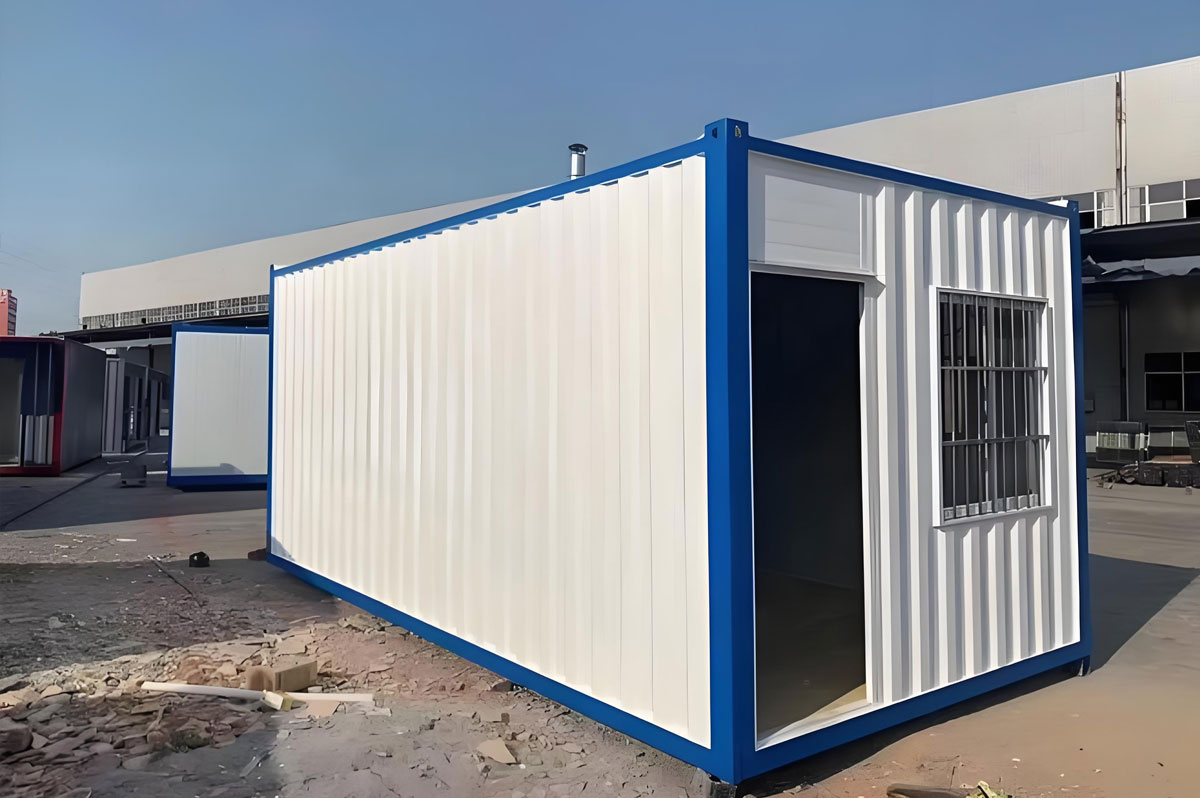
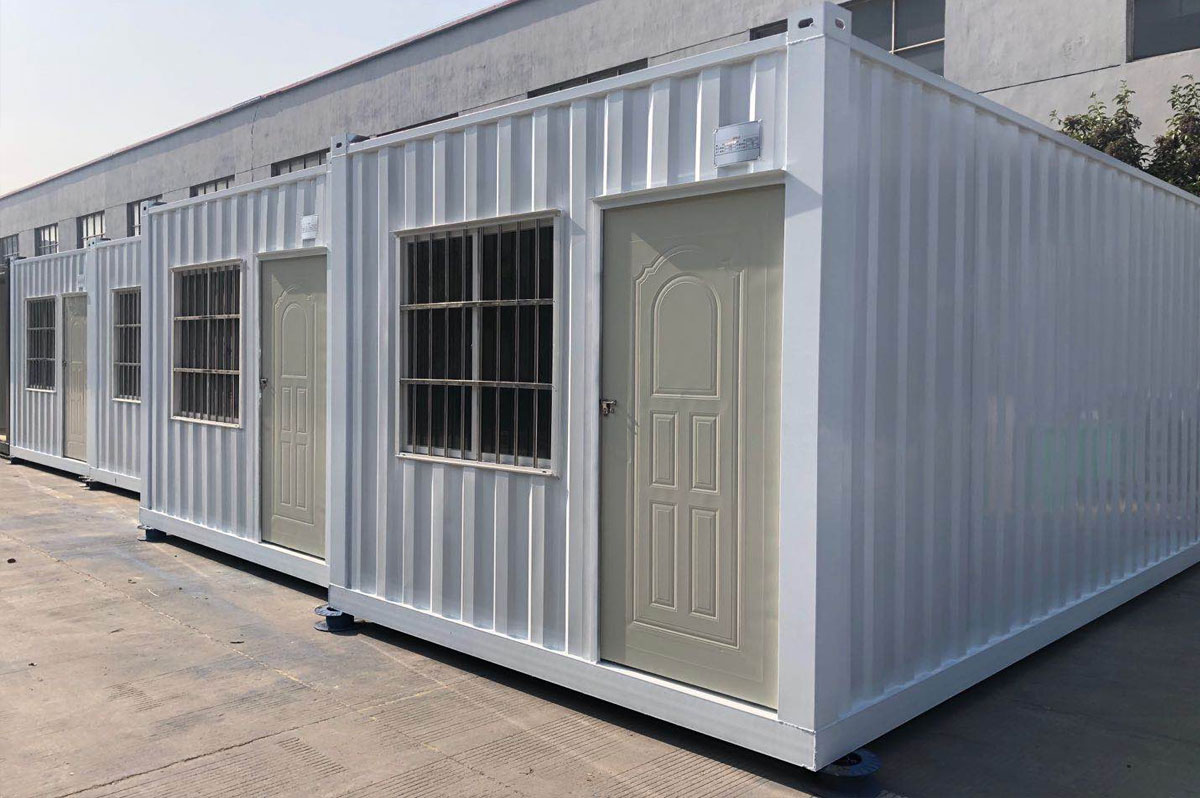
Location
Container: They are only used in remote areas such as the countryside. However, containers have strong mobility and can be moved to different locations without the need to change the house.
Safety
Container: Containers are usually only available in remote areas where there is space to place them. The population is more scattered, and the security level is relatively low.
Appearance
Container: Extremely personalized. It can be painted in any color according to your own preferences. It can be made very unique. If you don't like it, you can repaint it.
Air-source heat pump
In recent years, to solve the heating and power supply problems of container houses, researchers have tried various methods. The initial "solar heating + air-source heat pump" combination scheme, although it could provide certain heating effects, had two main problems: one was that it still relied on grid power supply and could not operate completely independently; the other was that the indoor temperature fluctuated greatly, resulting in poor comfort.
To address these issues, the expert team upgraded the original scheme: on the one hand, they replaced the ordinary solar collectors with new photovoltaic-thermal panels that can generate both electricity and heat; on the other hand, they changed the traditional radiator heating to a more comfortable floor heating system. These improvements brought significant results - the indoor temperature fluctuation range decreased from the original 78% to 12.5%, and the electricity consumption was reduced to 674.7 degrees, only a small fraction of the original amount. What's more noteworthy is that the new system's environmental performance has significantly improved, with carbon emissions reduced by nearly twice compared to the original, making it more environmentally friendly. These improvements not only enabled people living in container houses to enjoy more stable and comfortable room temperatures, but also reduced electricity costs and environmental burdens, achieving multiple benefits in one go .
Renewable energy
Researchers further improved energy efficiency by adjusting the operation mode of the heat pump system. They adopted an intelligent optimization algorithm, similar to the method of finding the best path, to reduce the long-term usage cost of the entire heating system. Experiments showed that after optimization, the system could almost fully meet the heating requirements, with only less than 38 hours of additional power supply needed throughout the year. At the same time, the optimized equipment was smaller in size, had more stable performance, and the overall cost was reduced by 12.2%. This achievement provided a more economical solution for the energy supply of container houses and verified the practical value of intelligent algorithms in engineering practice. The study also found that if the system could use water bodies (such as groundwater or circulating water) as a heat source, its heating efficiency would be higher than that of traditional air-source heat pumps. Therefore, when designing similar systems, prioritizing the water-source heat pump mode may lead to better results.
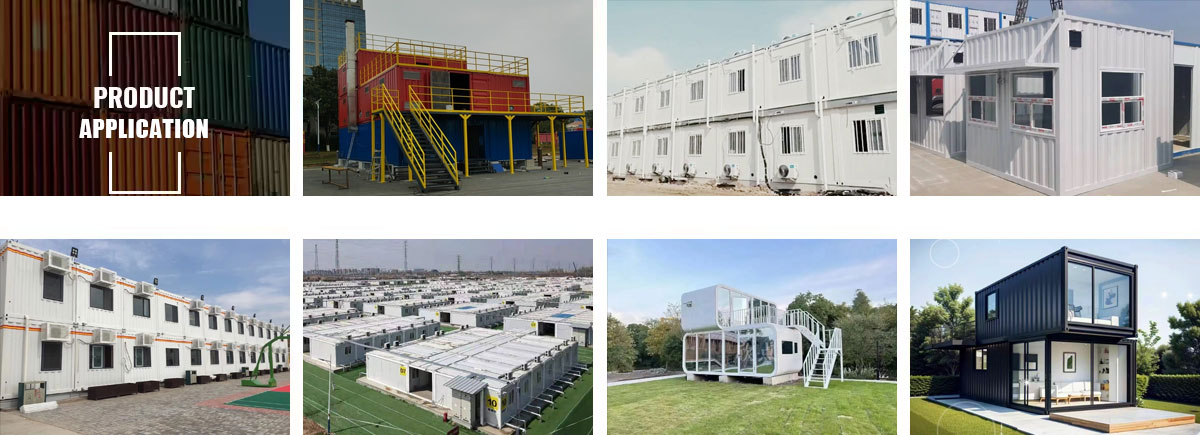
Product Application
Related products
product
Related products
- 40‘’Flying-wing container31/07/2025

- 20‘’Flying-wing container31/07/2025
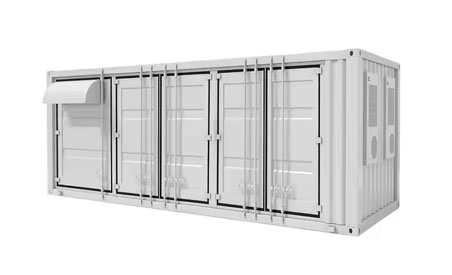
- 20FT commercial energy storage container31/07/2025
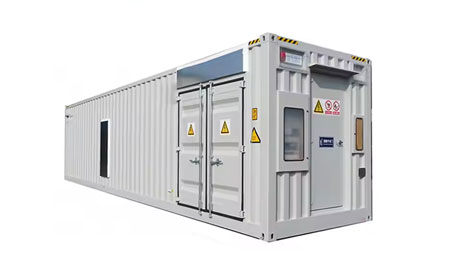
- 40ft shipping Storage Container Energy Storage Container31/07/2025
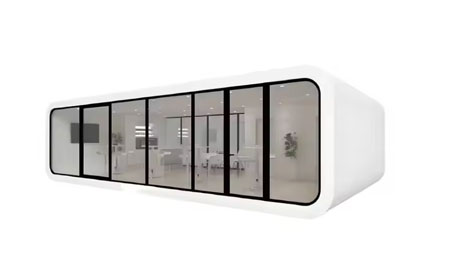
- 40ft2 Apple Barn31/07/2025
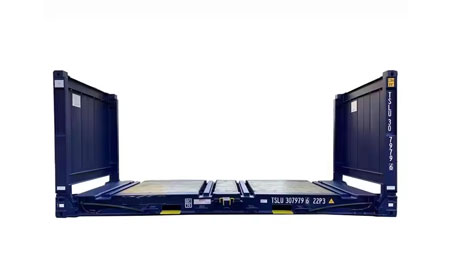
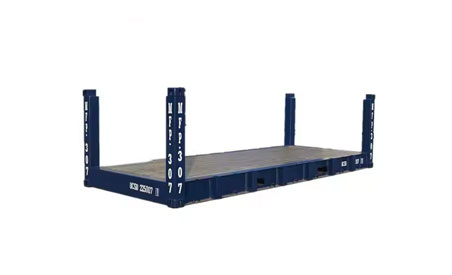
- 40' FR (Flat Rack) corner column type folding plate29/07/2025
- 20' Flat Rack29/07/2025
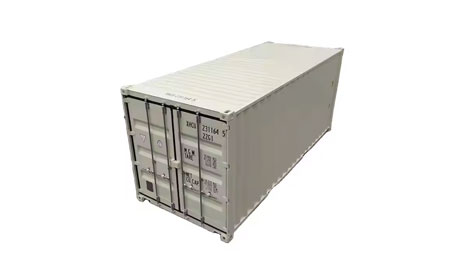
- 20-foot fully open side-loading shipping container29/07/2025
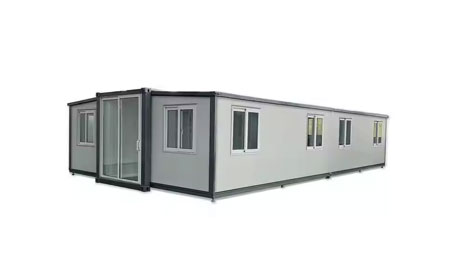
- 2-4 bedroom luxurious expandable container house29/07/2025
- Container housing29/07/2025
MESSAGE
CONTACT US
We offer comprehensive pre-sale and after-sale services. We look forward to your inquiries!